The issue of whether previous tenants still have keys to rental properties is a significant concern for landlords and property managers. Understanding the risks associated with old keys, including the management of landlord key copies, is crucial for maintaining security and ensuring tenant safety. This post will explore the implications of old tenant keys, the differences between lock rekeying and replacement, landlord responsibilities, and how locksmith services can help mitigate these risks. By addressing these topics, landlords can better protect their properties and provide peace of mind to current tenants.
Can Previous Tenants Still Access Rental Properties with Old Keys?
Previous tenants may still have access to rental properties if they retain copies of their old keys. This situation poses significant security risks, as unauthorized access can lead to theft, property damage, or even safety concerns for current tenants. Landlords need to understand the potential dangers associated with old keys and take proactive measures to secure their properties.
How Do Old Tenant Keys Pose Security Risks to Landlords and Tenants?
Old tenant keys can create several security risks for both landlords and current tenants. Unauthorized access is the most pressing concern, as former tenants may enter the property without permission. This can lead to theft or damage, resulting in financial losses for landlords and safety issues for tenants. Additionally, landlords may face legal implications if they fail to secure their properties adequately, as they could be held liable for any incidents that occur due to unauthorized access.
What Are the Common Scenarios Where Previous Tenants Retain Landlord Key Copies?
There are several common scenarios in which previous tenants may still have access to rental properties through old keys:
- Keys Not Returned: Some tenants may forget to return their keys upon moving out, leaving landlords unaware of potential access.
- Key Duplication by Tenants: Tenants may have made copies of their keys during their tenancy, which can be used later without the landlord’s knowledge.
- Lost Keys: If a tenant loses their key, they may not inform the landlord, leading to a situation where the key remains unaccounted for.
Understanding these scenarios can help landlords implement better key management practices.
What Are the Differences Between Lock Rekeying and Lock Replacement?
When addressing the issue of old keys, landlords often consider two primary options: lock rekeying and lock replacement. Each method has its advantages and is suitable for different situations.
How Does Lock Rekeying Enhance Tenant Key Security and Manage Landlord Key Copies?
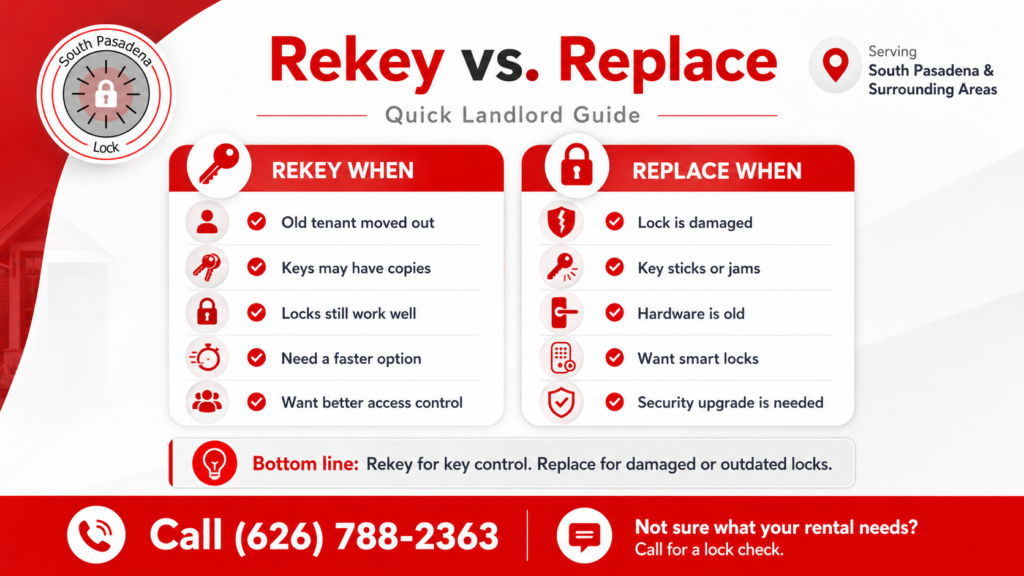
Lock rekeying involves changing the internal mechanism of a lock so that old keys no longer work. This process effectively enhances tenant key security by rendering any previously issued keys useless. Rekeying is often a cost-effective solution, as it typically requires less time and expense than replacing an entire lock. Additionally, rekeying can be completed quickly, allowing landlords to secure their properties without significant downtime. It also helps landlords control landlord key copies by ensuring that all old keys, including duplicates, are invalidated.
When Is Lock Replacement Recommended Over Rekeying?
Lock replacement may be necessary in certain situations, such as:
- Damaged Locks: If a lock is damaged or malfunctioning, replacement is the best option to ensure security.
- Upgrading Security: Landlords may choose to replace locks to upgrade to more secure models, enhancing overall property safety.
- Changing Lock Types: If a landlord wants to switch to a different type of lock system, such as a smart lock, replacement is required.
Understanding when to choose lock replacement over rekeying can help landlords make informed decisions about their property security.
What Are Landlord Responsibilities for Managing Tenant Key Security and Landlord Key Copies?
Landlords have specific responsibilities when it comes to managing tenant key security. These obligations include ensuring that all keys are accounted for and that access to the property is controlled.
How Should Landlords Control Key Duplication, Access, and Landlord Key Copies?
To effectively control key duplication and access, landlords should implement the following strategies:
- Implement Key Control Systems: Establish a system for tracking keys issued to tenants, ensuring that all keys are returned upon move-out.
- Educate Tenants: Inform tenants about the importance of key security and the risks associated with unauthorized duplication.
- Regular Audits: Conduct regular audits of key management practices to identify any potential security gaps, including monitoring landlord key copies to prevent unauthorized use.
By taking these steps, landlords can better manage key security and reduce the risks associated with old keys.
What Legal and Security Standards Govern Rental Property Key Management?
Landlords must also be aware of the legal and security standards that govern rental property key management. Local South Padena laws may dictate specific requirements for key management, including:
- Local Laws on Key Management: Regulations may require landlords to rekey locks between tenants or maintain a record of all keys issued.
- Security Standards: Landlords should adhere to industry best practices for securing rental properties, which may include using high-security locks or implementing electronic access systems.
- Landlord Liability: Failure to comply with legal standards can result in liability for landlords if unauthorized access leads to theft or harm.
Understanding these legal obligations is essential for landlords to protect themselves and their properties.
How Can Rental Locksmith Services Help Mitigate Old Tenant Key Risks and Manage Landlord Key Copies?
Rental locksmith services play a crucial role in helping landlords manage the risks associated with old tenant keys. These professionals offer a range of services designed to enhance property security.
What Emergency Locksmith Services Are Available for Rental Properties?
Emergency locksmith services provide landlords with immediate assistance in various situations, including:
- Lockout Services: If a tenant is locked out, locksmiths can quickly gain access to the property.
- Key Extraction: If a key breaks off in a lock, locksmiths can safely remove it without damaging the lock.
- 24/7 Availability: Many locksmiths offer round-the-clock services, ensuring that landlords can address security issues at any time.
These emergency services are vital for maintaining security and tenant satisfaction.
How Do Locksmiths Implement Lock Rekeying and Replacement Solutions?
Locksmiths follow a systematic approach to implement lock rekeying and replacement solutions:
- Assessment: The locksmith assesses the current lock system to determine the best course of action.
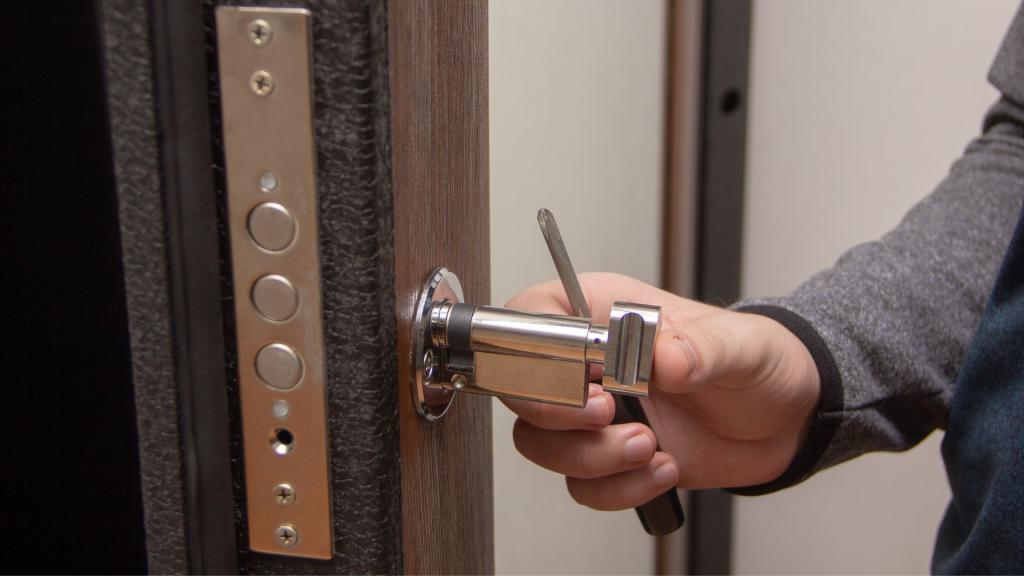
- Rekeying Process Steps: If rekeying is chosen, the locksmith will change the internal components of the lock to ensure old keys no longer work, including invalidating any landlord key copies that may exist.
- Replacement Process Steps: If replacement is necessary, the locksmith will remove the old lock and install a new one, ensuring proper functionality and security.
By utilizing professional locksmith services, landlords can effectively manage their properties’ security needs.
What Is the Cost and Process of Changing Locks Between Tenants?
Changing locks between tenants is an essential practice for maintaining security, but it comes with associated costs and processes that landlords should understand.
What Factors Influence the Cost of Lock Rekeying and Replacement?
Several factors can influence the cost of lock rekeying and replacement, including:
- Type of Lock: Different lock types have varying costs, with high-security locks typically being more expensive.
- Labor Costs: The complexity of the job and the locksmith’s rates can affect overall costs.
- Urgency of Service: Emergency services may incur additional fees, especially if they are required outside of regular business hours.
Understanding these factors can help landlords budget for lock changes effectively. Wondering what this service may cost before your next tenant moves in? Read our full guide on How Much Does Rekeying Cost After Moving? for a simple breakdown of pricing, lock types, and service factors.
What Are the Step-by-Step Procedures for Rental Property Lock Changes?
The process for changing locks typically involves the following steps:
- Preparation Steps: Landlords should gather necessary tools and ensure they have the correct replacement locks.
- Execution Steps: The locksmith will remove the old lock and install the new one, ensuring it functions correctly.
- Post-Change Considerations: After changing locks, landlords should update their key management records and inform tenants of the new keys.
By following these procedures, landlords can ensure a smooth transition between tenants while maintaining security.
How Can Landlords Ensure Ongoing Tenant Key Security and Peace of Mind?
To ensure ongoing tenant key security, landlords should adopt best practices that prevent unauthorized access from old keys.
What Best Practices Help Control Landlord Key Copies?
Implementing the following best practices can help landlords maintain key security:
- Educate Tenants: Provide information on the importance of returning keys and the risks of duplication.
- Use Key Control Systems: Implement systems to track keys and ensure they are returned upon tenant move-out.
- Regular Inspections: Conduct periodic inspections of locks and keys to identify any potential security issues.
These practices can significantly reduce the risk of unauthorized access and enhance tenant safety.
How Often Should Locks Be Changed or Rekeyed in Rental Properties?
The frequency of changing or rekeying locks in rental properties can vary based on several factors:
- After Each Tenant: It is advisable to change or rekey locks after each tenant vacates to ensure security.
- Based on Security Assessments: Regular security assessments can help determine when locks need to be updated.
- Regular Schedule: Establishing a regular schedule for lock changes can help maintain security over time.
By adhering to these guidelines, landlords can ensure the ongoing security of their rental properties.
Secure Your New Home Today
Don’t leave your property vulnerable to unauthorized access. Take control of your home or rental security by updating your locks and implementing effective key management strategies now.
Contact South Pasadena Lock at (626) 788-2363 for professional locksmith services and expert advice.
 South Pasadena Locksmith is a locally owned and operated locksmith service company that provide fast and professional locksmith service to the residents of South Pasadena and the near by communities like: Pasadena, Altadena, Glendale, Alhambra, Monterey Park, Rosemead along side many others..